
The French dairy sector: a multitude of advantages for the future
The French dairy sector is renowned for its rich heritage and emblematic know-how, which stem both from its long history with strongly anchored regional roots as well as the innovative capacities of stakeholders. These valuable resources produce high quality dairy products that are safe and accessible. As levers of competitiveness and sustainability, these advantages allow the French dairy sector to adapt to consumer and citizen expectations to sustain its growth.
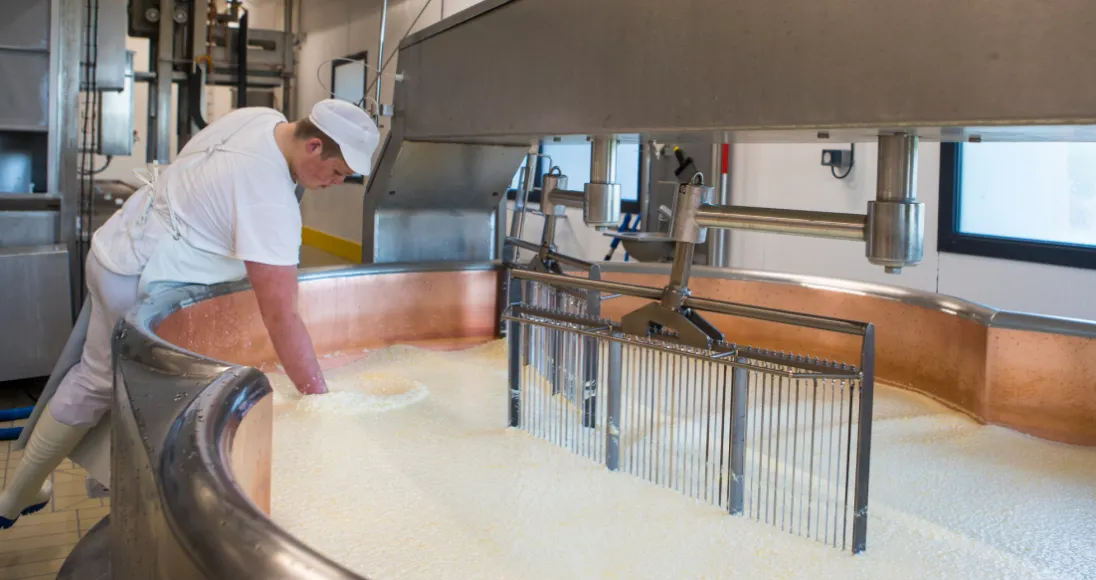
Strong regional roots
With its long-established roots, the dairy sector is firmly anchored at the heart of France’s regional activity. Synonymous with economic and social vitality, the dairy sector contributes to the development and attractiveness of rural areas in France.
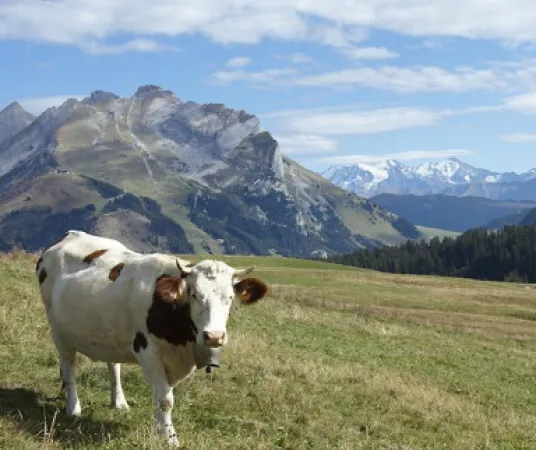
A presence throughout the country
With a temperate climate conducive to grass growth and forage cultivation, France is naturally a dairy land. The diversity of landscapes and terrains has allowed for the emergence of numerous terroirs – products intrinsically linked to the soil and climate - which the sector has successfully leveraged. This can be seen in the rich and diverse number of dairy products.
Still today, there are dairy farms scattered throughout the country - with cow milk production present in over 90% of French departments. Production, however, is largely concentrated in the “dairy crescent”, an area that stretches from the Pays de la Loire to the Auvergne-Rhône-Alpes, passing through Brittany, Normandy, the Hauts-de-France, Grand-Est, and Burgundy-Franche-Comté.
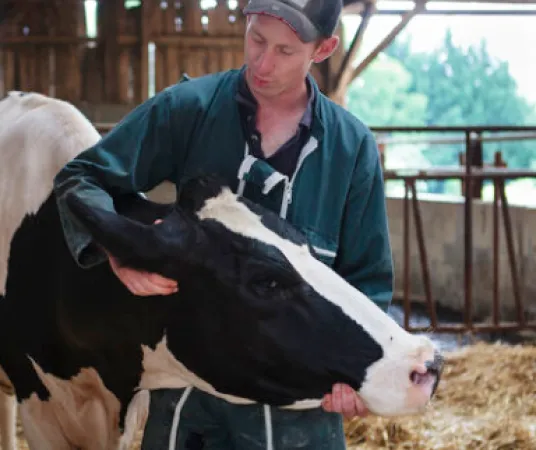
A diversity of farm models
Throughout the centuries, the French regions have developed their own unique farming and processing strategies, based on the advantages and constraints of their region. This diversity—geographical and climatic—explains the plurality of existing production models.
With an average herd size of 70 cows, French dairy farms are human-sized and predominantly family-run. They favour local feed for the herd, with 93% produced on the farm itself and 5% on another French farm.
Dairy farming is a profession directly connected to living beings—the men and women working on the farm, the surrounding nature, and of course the animals. While each farmer makes individual management and organisational choices for their farm, they share common daily priorities: the well-being of the herd, respect for the environment, and the quality and safety of the milk.
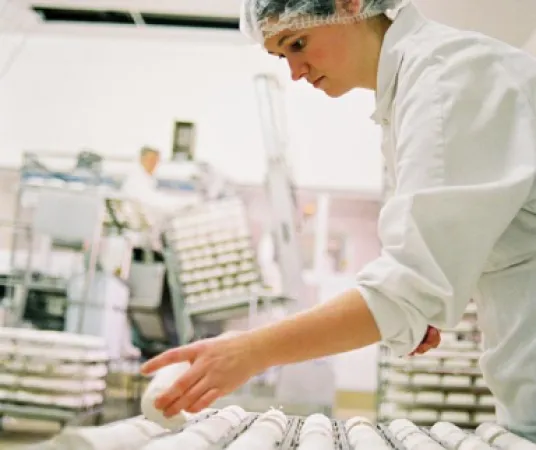
Dairy plants close to production sites
A dairy processor is never far from a dairy farm! For logistical reasons, dairy processing plants are situated in rural areas in close proximity to farm production sites. This system ensures flawless milk quality, with the milk arriving at the dairy plant as quickly as possible, reducing travel distances.
Another positive effect of this regional anchoring is the boost for local economies through job creation and the development of related activities. Indeed, 85% of the 300 000 dairy sector employees work in areas with less than 15 000 inhabitants.
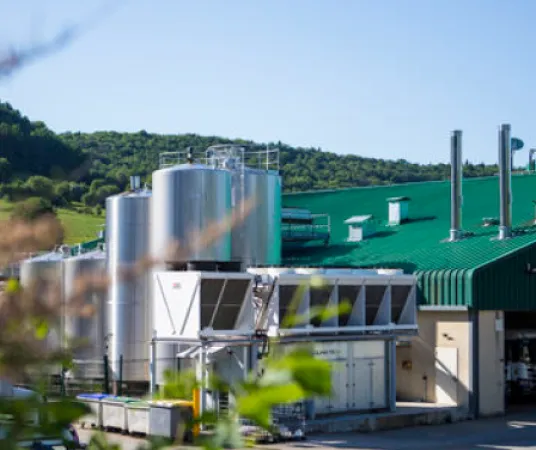
Diversity: a strength for the French dairy sector
As with dairy farms, French dairy processors have diverse structures and statuses (55% private companies and 45% cooperatives), sizes (micro-enterprises, SMEs, large groups), and manufacturing methods. Among its 724 processing sites, the sector includes 200 fruitières (traditional mountain region dairies with a cooperative structure). France also has 4 of the 20 largest dairy companies in the world.
The dairy sector encompasses 65 different professions, all essential to its operation. Farm workers, veterinarians, driver-collectors, laboratory technicians, recipe preparers in factories, creamery-cheesemakers … these are among the numerous talents spread throughout the land and that are at the heart of the current nutritional, economic and ecological challenges.
An economically performing sector
Regional anchoring, production diversity, expertise, innovation: these are among the assets that make the dairy sector one of the drivers of the French economy. Engaged in an initiative for collective progress, the sector is mobilised for a better distribution of the value it generates among its various stakeholders.
The French dairy model also shines internationally. Exports are essential to the economy of the sector and over 4 of every 10 litres of milk produced in France are exported. The sector promotes a sustainable approach, respectful of local supply chains and eating habits, with a focus on high value-added products such as cheese, cream and butter. Complementing local supplies in export countries, these products are recognised for their superior quality and the famous French know-how.
In a global context marked by conflict, resource scarcity, and accelerating climate change, the dairy sector contributes to national food sovereignty, with a key mission in sight: providing nutritious food today and tomorrow.
Key figures of the French dairy economy
A sector committed to the environment
Like all human activities, dairy farming impacts its environment and the principal ecosystems such as soil, air, water, and biodiversity. For over 30 years, the dairy sector has been working to sustain the positive impact of its activities, such as soil and biodiversity maintenance, while limiting negative impacts. At the same time, the sector strives to adapt to the effects of climate change, which alters dairy production and processing conditions.
Initiatives have been implemented to reduce the ecological footprint of farmers while maintaining their technical and economic performance. These include improving farm facilities, enhancing the herd’s feed autonomy, planting hedges, optimising nitrogen use on crops, and more. These measures help reduce greenhouse gas emissions, limit deforestation, and preserve biodiversity and water quality.
Dairy processors also adopt sustainable practices, such as optimising milk collection, reducing water and energy consumption, minimising packaging, and promoting recycling.
Based upon concrete sustainable development goals and measured using internationally recognised indicators, these initiatives contribute to better natural resource management and reduce the environmental footprint of the dairy sector.
Between tradition and modernity
Rooted in ancestral know-how and natural cycles, the French dairy sector also innovates to improve the technicality and well-being of its professions, adapting to new challenges, and meeting consumer expectations.
French know-how rooted in ancestral traditions
French dairy products benefit from ancestral savoir-faire (know-how) directly linked to the diversity of the regions and passed down from generation to generation. The mastery of manufacturing techniques, such as the use of rennet for cheese, date back to the Middle Ages. Iconic dairy products emerged during key historical periods, such as reblochon cheese during the Renaissance, or Chantilly cream under the reign of Louis XIV.
The same challenges that have been met for centuries by artisans and processors remain at the heart of France’s precious dairy sector know-how: managing the natural rhythm of milk processing, ensuring the quality and safety of products, and offering strong guarantees to consumers.
Innovation serving the sector’s stakeholders
Whether on the farm or in the factory, innovation is central to the dairy sector. Notably, mechanisation helps to reduce the physical strain of certain aspects linked to the work of dairy farmers . Automation of repetitive tasks improves the efficiency of each stakeholder, and data analyses enhance the overall safety and quality of the dairy chain.
In 2023, approximately 19% of dairy farms were equipped with a milking robot. Through this milking automation system, farmers are free from the fixed milking schedule in the morning and evening and have access to precise and individualised monitoring of milk quality and cow health.
Innovation serving consumers
The French dairy sector also places its capacities for innovation and adaptation at the heart of its progress initiative to meet the expectations of its consumers and of society at large.
Each year, the Cniel supports approximately forty research projects in areas such as food safety, dairy science and technology, and nutrition and health. This investment allows sector stakeholders to continuously improve their practices, resulting in products that are ever safer, higher in quality, more sustainable, and better suited to current consumption patterns.
From production and processing all the way through to point of sale, the range of skills in the dairy sector has expanded through scientific, technological, and societal development. New expertise is continuously emerging, contributing to the great diversity of dairy professions.

Geographic indications: a marriage between tradition and modernity
The Protected Designation of Origin (PDO) and the Protected Geographic Indications (PGI) are official labels of quality and origin. Designated by the French authorities and the European Commission to a limited number of products, these labels guarantee the geographic origin, traditional savoir-faire (know-how), superior quality and unique characteristics of designated products.
Of the 51 dairy PDOs in France, 33 are produced from cow’s milk. They represent 12.2% of the total collected volume and 210 000 tonnes of commercialised products. There are 11 dairy PGIs, mostly produced with cow’s milk. They represent 1% of the collected volumes and 28 600 tonnes of commercialised dairy products.
Sources : CNAOL – 2022 key figures+ https://www.produits-laitiers-aop.fr/en/